
Louisiana's Spam Call law firm strictly regulates debt collector communication to protect consumers from harassment. Key regulations limit calls to 5 within 72 hours, with at least one day between, and enforce guidelines for respectful interactions. Violations incur fines and legal action, emphasizing the importance of compliance for debt collection firms. Consumers are advised to document suspected violations, empowering them to navigate debt collection processes with confidence and protect their rights.
Louisiana residents face a pressing issue with excessive debt collector communication, often receiving unsolicited calls that escalate stress and hinder peaceful resolution. This problem has grown with the proliferation of spam call law firms targeting those burdened by debt. Existing regulations, while crucial for consumer protection, have not kept pace with aggressive collection tactics, leading to a complex landscape where borrowers are left vulnerable. Our article delves into the nuances of Louisiana’s debt collector communication frequency limits, offering expert insights tailored to help residents navigate this challenging environment and assert their rights under current laws.
Louisiana Debt Collection Laws: An Overview

Louisiana’s debt collection laws are designed to protect consumers from aggressive or unfair practices while ensuring creditors can recover their debts. One notable aspect is the state’s strict regulations on communication frequency, particularly regarding spam call laws. These rules are in place to prevent excessive and unwanted contact from debt collectors, offering debtors some much-needed respite.
Under Louisiana law, a debt collector cannot make more than five telephone calls within a 72-hour period or seven calls within a week. This restriction is part of the Fair Debt Collection Practices Act (FDCPA), which applies across the United States. In Louisiana, these rules are enforced rigorously, with penalties for violations that can include actual damages, statutory damages up to $1,000, and attorneys’ fees. A key exception exists for calls made with the debtor’s prior written consent, but such authorization must be clear and unambiguous.
Spam call laws in Louisiana are a significant protection for residents. For instance, a recent study by the Federal Trade Commission (FTC) revealed that over 40% of consumers in Louisiana received abusive debt collection calls, highlighting the importance of these regulations. Debt collectors who violate these rules can face legal action through class-action lawsuits, where consumers band together to sue the offending firms for damages. This collective approach has led to substantial settlements, demonstrating the effectiveness of Louisiana’s consumer protection measures.
To avoid potential legal issues, Louisiana debt collection law firms must prioritize responsible communication strategies. This includes obtaining proper consent and documenting each call made. By adhering to these guidelines, businesses can foster a more trustworthy relationship with their clients while ensuring compliance with state and federal laws.
Understanding Spam Call Restrictions
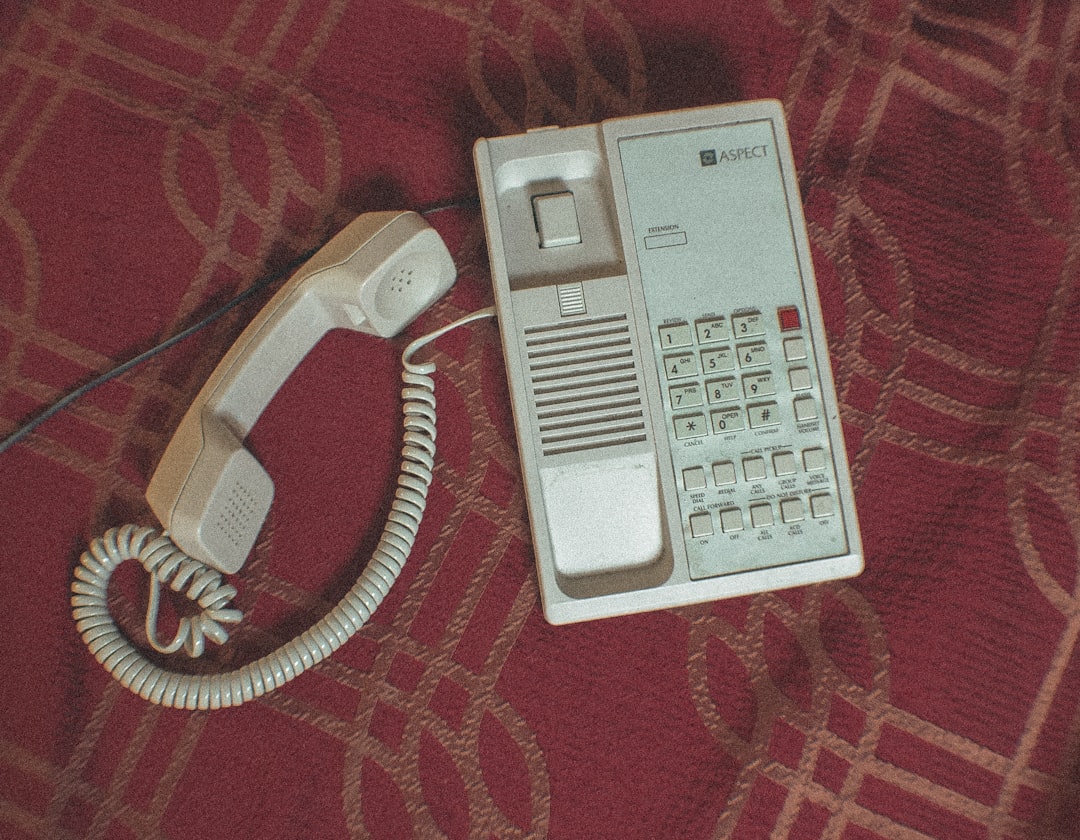
In Louisiana, the Spam Call law firm regulations play a pivotal role in ensuring consumer protection and maintaining fair business practices. One critical aspect is the frequency of communication by debt collectors, which has strict limitations to prevent harassment. These rules are designed to safeguard individuals from relentless calls that can cause emotional distress and disrupt daily life. According to the Federal Communications Commission (FCC), debt collection agencies must adhere to stringent guidelines regarding call timing, frequency, and overall consumer interaction.
Debt collector communication in Louisiana is subject to specific rules, particularly during business hours. Collectors are permitted to make up to five calls within a 72-hour period, with each call separated by at least one day. This restriction is meant to balance the agency’s need to recover debts while respecting the recipient’s privacy and peace of mind. For instance, calling a consumer three times a week would be permissible, but any more frequent contact could trigger legal repercussions. Violations of these rules can lead to substantial fines and damage to the collector’s reputation.
Practical advice for both debt collectors and consumers is to ensure clear communication preferences from the outset. Consumers should document and report excessive or inappropriate calls, providing specific dates and times to back their claims. Debt collection agencies must prioritize respectful interactions, offering various communication channels and respecting consumer choices. By adhering to these guidelines, Louisiana residents can enjoy greater protection against spam calls, fostering a more balanced and transparent debt recovery process.
Legal Limits for Collector Communication

In Louisiana, the frequency of communication by debt collectors is strictly regulated to prevent harassment and ensure fairness for consumers. The state’s Spam Call law firm plays a pivotal role in enforcing these limits, safeguarding residents from abusive collection practices. According to the Louisiana Revenue Department, debt collectors are permitted to contact consumers only through specific channels and with considerable restraint. They may not make more than seven telephone calls per week to any one consumer, nor can they send more than three written communications (including letters and emails) within a 7-day period.
These restrictions aim to strike a balance between holding debtors accountable and protecting individuals from relentless pursuit by collection agencies. For instance, a debt collector in Louisiana cannot simply call a consumer multiple times daily or flood their mailbox with notices without facing legal repercussions. Violations of these rules can result in significant fines for the offending firms, underscoring the seriousness with which Louisiana takes such matters. Moreover, consumers found to be victims of excessive or harassing collection practices can seek legal redress, potentially securing damages and injunctive relief against the aggressive collectors.
Practical advice for both debt collectors and consumers is to familiarize themselves with these regulations. Debt collectors must adhere to the prescribed communication limits to avoid running afoul of the law, while consumers should document any perceived violations, including dates, times, and types of communications received. Such documentation can prove invaluable if legal action becomes necessary. By understanding and respecting these legal limits, Louisiana residents can mitigate the risks associated with debt collection practices while ensuring their rights are protected under state law.
Consumer Rights and Enforcement Actions

In Louisiana, consumer protection laws, particularly those related to debt collection practices, are designed to safeguard individuals from abusive or unfair treatment. One critical area of focus is communication frequency, which directly impacts a debtor’s overall experience and well-being. The state’s regulations aim to prevent excessive contact, ensuring debtors enjoy reasonable peace of mind while addressing their financial obligations.
Debt collectors in Louisiana must adhere to strict guidelines regarding call and message frequency. The Spam Call law firm Louisiana has played a pivotal role in enforcing these rules, providing a crucial service to consumers facing aggressive collection tactics. According to the Federal Trade Commission (FTC), debt collectors are prohibited from making persistent or annoying calls, using abusive language, or employing false or misleading statements. For instance, a collector cannot call a debtor multiple times within a single day or leave voicemails that create a sense of urgency or threaten severe consequences. These restrictions are in place to respect consumers’ privacy and dignity while encouraging fair debt resolution.
Enforcement actions against Louisiana debt collectors who violate these rules have led to significant outcomes. In recent cases, courts have sided with debtors, awarding damages and ordering collectors to cease and desist their unlawful practices. Consumers equipped with knowledge of their rights can actively defend themselves against excessive communication. It is advisable for debtors to document all interactions, maintain detailed records of calls, and promptly report abusive behavior to the appropriate authorities. This proactive approach empowers individuals to navigate debt collection processes with greater confidence and protection.